Hiring a property management company is one of the most important decisions a property owner can make. Whether you own a single rental property or a portfolio of residential or commercial properties, the right management company can make all the difference in maximizing rental income and minimizing the day-to-day stress of ownership.
A strong property management partner handles everything from tenant screening and lease administration to maintenance coordination and rent collection. They provide responsive customer service, understand the local market, and offer comprehensive management services that protect and grow your investment. When those elements are in place, your property runs smoothly, tenants are satisfied, and you have confidence that your asset is being managed the right way.
But what happens when that confidence starts to slip?
A property management company has been managing your community for some time, but now you’re wondering if the right decision was made. Evaluating your property manager comes down to answering a few questions: Is your manager doing what they were contracted to do? Are they doing it in the right way?
Whether you own residential or commercial properties, understanding the real estate market and the property management industry is crucial when evaluating companies. Property management companies may specialize in different property types, such as residential properties, commercial property management, single family homes, or vacation rentals. Each property type presents unique challenges for property managers, requiring specific expertise and experience. Staying informed about market trends in the real estate and property management industry can also help you assess a company’s expertise and operational context.

When considering what to look for in a management company, it’s important to prioritize a good reputation. Always check the company’s reputation by reading online reviews, seeking references from other property owners, and reviewing their credentials to ensure reliability and quality service.
During the selection process for potential property managers, be sure to ask detailed questions, seek recommendations, and carefully evaluate their experience and fit for your needs.
To break it down, you’ll want to ask yourself this:
1. Do they provide the services that they promised?
Take a close look at the contract to identify the agreed services, paying special attention to the management contracts and their role in defining the scope of services and ensuring recurring revenue for the company. To make this evaluation easier, document any instances in which you can praise the manager or make recommendations for improvement.
Strong management contracts and reliable cash flow are key indicators of a well-run property management company, as they provide financial stability and make the business more attractive to potential buyers.
Typical services to look for in the contract include collecting rent, handling security deposits, conducting credit checks as part of tenant screening, property maintenance, and providing excellent customer service. The use of management systems and property management software is important for delivering these services efficiently, improving communication, and increasing transparency.
Failure to provide agreed services can lead to legal issues, so it’s crucial to verify that all contract terms are being met. When evaluating tenant-related services, check how the company handles new tenant placement, attracts potential tenants through marketing, and screens potential tenants to ensure quality occupancy. Feedback from current tenants is also valuable for assessing the quality of service provided.
Take a close look at the contract to see what services were agreed upon. To make this evaluation easier, document any instances in which you can praise the manager or make recommendations for improvement.
2. Do they stay informed about current laws and best practices?
Laws and best practices change regularly, so it’s important for your manager to stay up to date, since you lean on them for their expertise.
3. Do they avoid exposing the Homeowners Association (HOA) to liability?
This may be a no-brainer, but across the United States, you’ll find HOAs that fall victim to lapsed or inadequate insurance, unlicensed or uninsured vendors, and fraud. A great property manager will have integrity and an attention to detail that does not expose you to liability.
4. Do they work in your best interest?
Make sure that your property manager always has your HOA top of mind. A manager who works in your best interest will save you time and money.
5. Do they treat all owners with respect?
Property managers should always act professionally and respectfully towards board members and homeowners alike. You might even share homeowner and vendor feedback.
An annual review will determine if your manager is the right fit for the community. During the review, acknowledge and praise their successes, address any issues, and build a lasting relationship. These annual reviews will also help you realize it’s just not working, so you can make the necessary changes to improve the community.
Best Practices for Owner Involvement
Successful property management is built on a strong partnership between property owners and their property management company. As a property owner, it’s important to stay informed and engaged without micromanaging the day-to-day operations. Regular communication with your property manager—such as scheduled updates or review meetings—helps ensure your expectations are met, and any concerns are addressed promptly. Equally important is trusting your management company’s expertise in handling tenant issues, maintenance, and legal compliance. By maintaining open lines of communication and respecting the management company’s processes, you can foster a productive relationship that benefits both you and your property. Striking the right balance between involvement and delegation allows you to enjoy the rewards of property ownership while leaving the complexities of management in capable hands.
The Role of a Management Team
A strong management team is the backbone of any successful property management company. The best teams are made up of experienced professionals who understand the local market, stay current with property management laws, and follow industry best practices. From tenant screening and lease management to maintenance coordination and financial reporting, a dedicated management team ensures every aspect of your property is handled efficiently. Their expertise can help increase your property value, reduce tenant turnover, and keep your property in compliance with local laws and regulations. When evaluating a property management company, look for a management team that is responsive, reliable, and committed to providing excellent customer service. A well-organized team not only protects your investment but also creates a positive experience for both property owners and tenants.
Understanding Management Fees
Understanding management fees is essential for property owners looking to maximize their rental income and control expenses. In the property management business, management fees typically range from 8-12% of the monthly rental income, depending on the type of property, services provided, and the local market. It’s important to know exactly what is included in these fees—such as rent collection, property inspections, and ongoing management—and to be aware of any additional charges like leasing fees, maintenance fees, or administrative costs. A transparent fee structure allows you to compare different property management companies and choose the one that offers the best value for your needs. By understanding how management fees work, you can make informed decisions that support your financial goals and ensure your property is managed effectively.
The Importance of Communication
Clear and consistent communication is the foundation of a successful relationship between property owners, property managers, and tenants. A property management company that prioritizes communication will keep you informed about your property’s status, respond promptly to your questions, and address tenant concerns efficiently. Regular updates from your management team help build trust and ensure that everyone is on the same page regarding maintenance, financial reporting, and any issues that arise. Excellent customer service is rooted in open communication channels, making it easier to resolve problems quickly and maintain a positive experience for all parties involved. When choosing a property management company, look for one with a proven track record of effective communication and a commitment to keeping property owners and tenants well-informed.

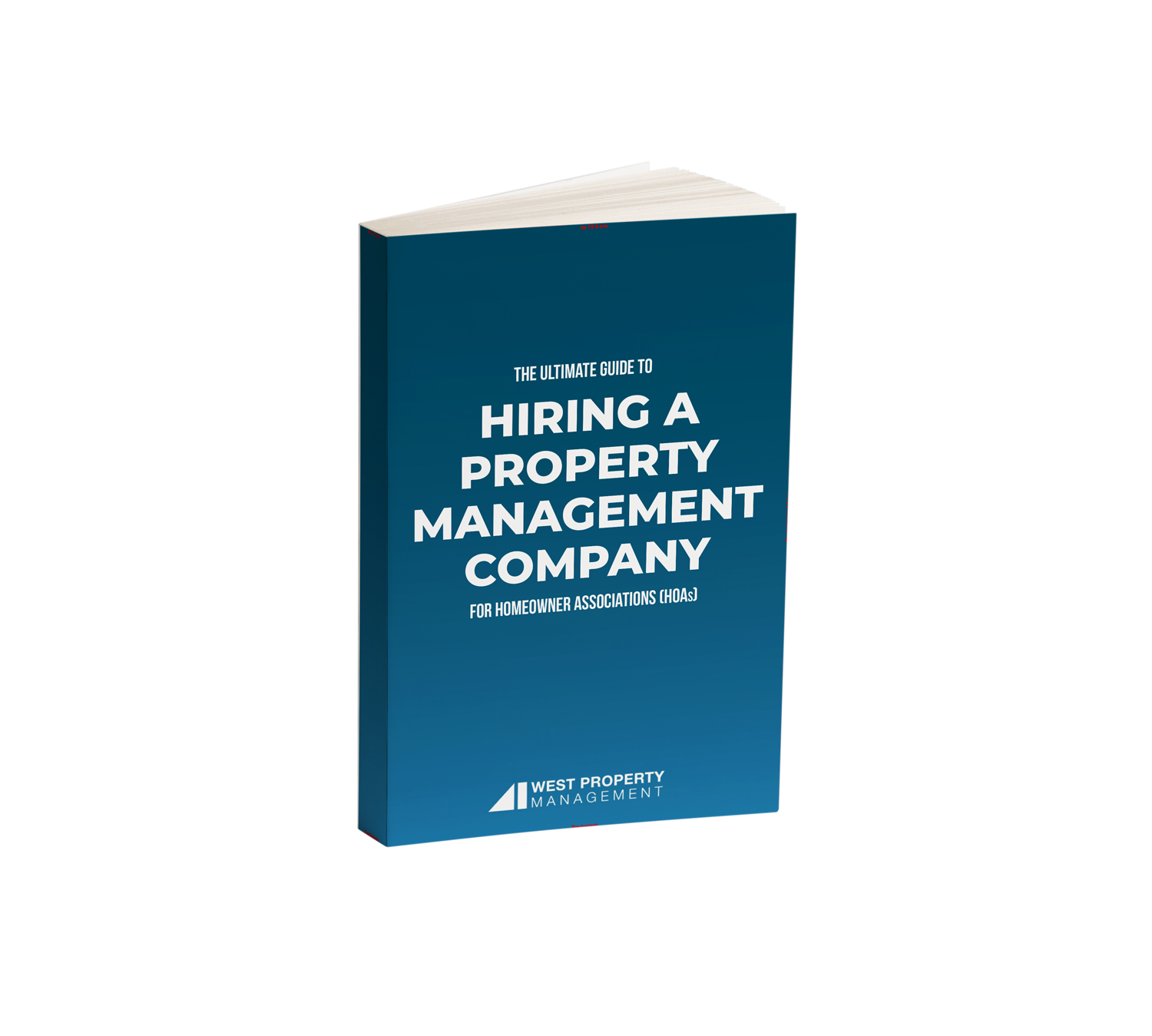
The Ultimate Guide for Hiring a Property Management Company for Homeowners & Condo Associations
Fill out the form to download the FREE ebook.